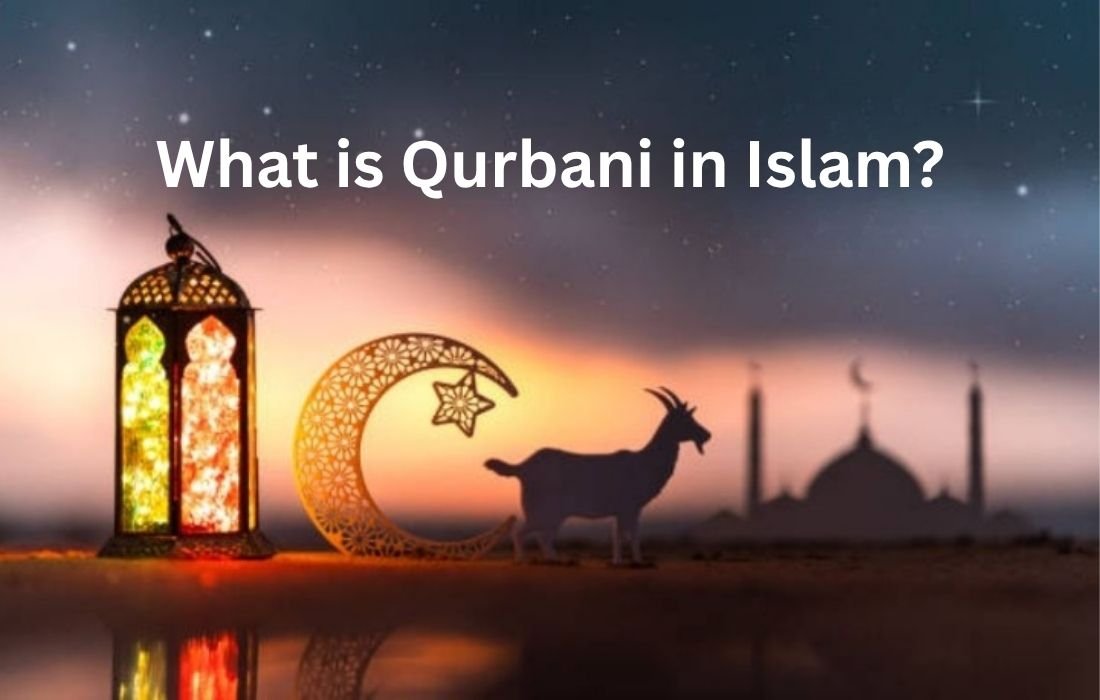
What is Qurbani in Islam? Meaning, Importance, Rules & Islamic Sacrifice Explained
What is Qurbani in Islam
Qurbani is a sacrifice that Muslims make each year on the day of Eid al-Adha (from 10th to 13th Dhul-Hijjah) by slaughtering their beloved animals in the name of Allah Almighty.
Thank you for reading this post, don't forget to subscribe!Qurbani in Islam is an important act of worship performed by Muslims during the blessed occasion of Eid al-Adha. It refers to the sacrifice of an animal such as a goat, sheep, cow, or camel in obedience to Allah and in remembrance of the great sacrifice of Prophet Ibrahim (Abraham). This act is not only a religious duty for eligible Muslims but also a symbol of faith, devotion, and submission to Allah’s command. Through Qurbani, Muslims express gratitude for Allah’s blessings and share meat with family, relatives, and the poor. It strengthens community bonds, promotes charity, and reminds believers of the importance of sacrifice, compassion, and sincerity in Islam.
Meaning of Qurbani in Islam
The word “Qurbani” comes from the Arabic word Qurban, meaning “nearness to Allah.” In Qurbani in Islam, it refers to sacrificing an animal during Eid al-Adha to seek Allah’s pleasure.
It is performed between 10th and 12th Dhul-Hijjah. Muslims who can afford it are encouraged to perform Qurbani in Islam as an act of worship.
Historical Background of Qurbani in Islam
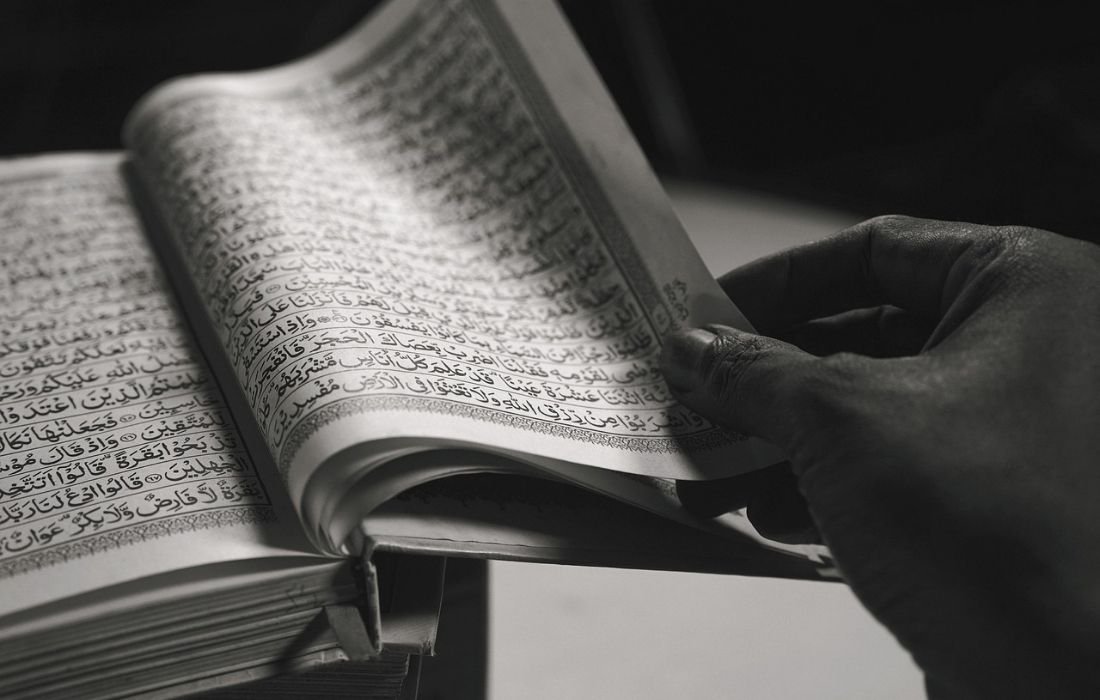
The origin of Qurbani in Islam is the story of Prophet Ibrahim (A.S). Allah commanded him in a dream to sacrifice his son Ismail (A.S).
Both father and son showed complete obedience. When Prophet Ibrahim was about to sacrifice him, Allah replaced Ismail with a ram.
This event is remembered every year through Qurbani in Islam, symbolizing obedience, faith, and trust in Allah.
Religious Importance of Qurbani in Islam
Qurbani is not just a cultural tradition; it is an act of worship with deep religious significance. The Quran and Hadith emphasize its importance:
Qurbani in Islam is not just tradition; it is worship:
1. Command of Allah
Allah says in the Quran:
“So pray to your Lord and sacrifice [to Him alone].” (Surah Al-Kawthar 108:2)
2. Symbol of Submission
Qurbani represents complete submission to Allah’s will, just like Prophet Ibrahim demonstrated.
3. Expression of Gratitude
It is a way of thanking Allah for His blessings, such as wealth, health, and sustenance.
4. Reminder of Sacrifice
It reminds Muslims that true faith sometimes requires sacrifice, whether physical, emotional, or material.
Who is Required to Perform Qurbani?
Qurbani is wajib (obligatory according to many scholars) for every Muslim who meets certain financial conditions. A person must:
- Be a Muslim
- Be an adult and mentally sound
- Possess wealth above the minimum threshold (Nisab), similar to Zakat requirements
- Be free from debt that exceeds their basic needs
If a person meets these conditions during the days of Eid al-Adha, they should perform Qurbani.
Types of Animals Allowed for Qurbani
Allowed animals in Qurbani in Islam:
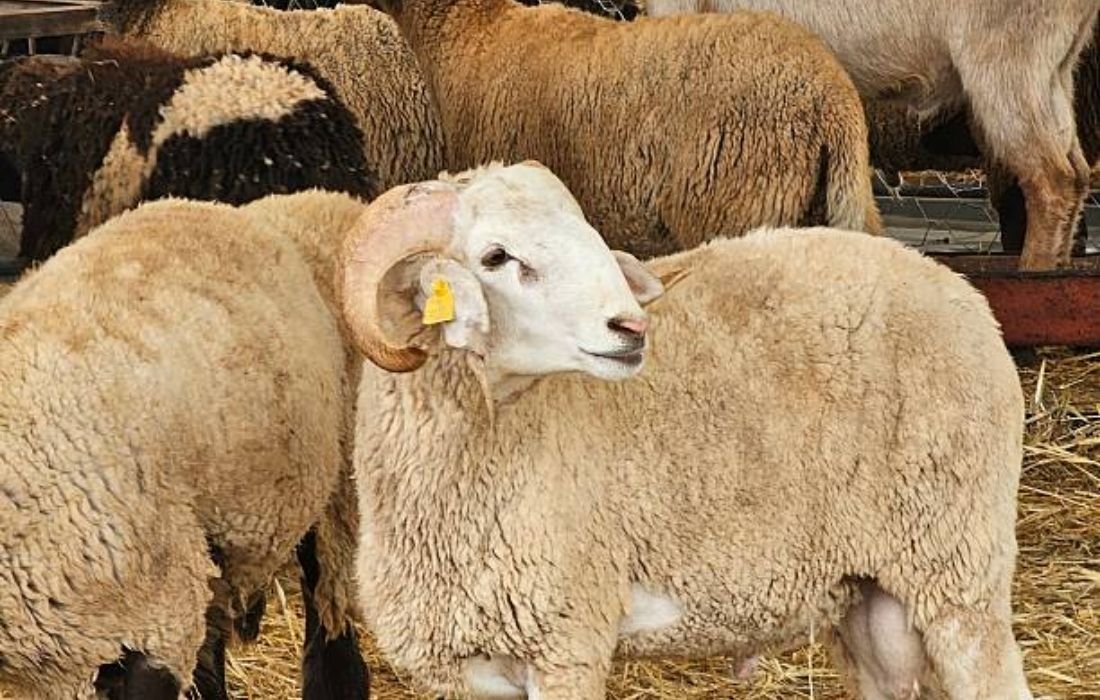
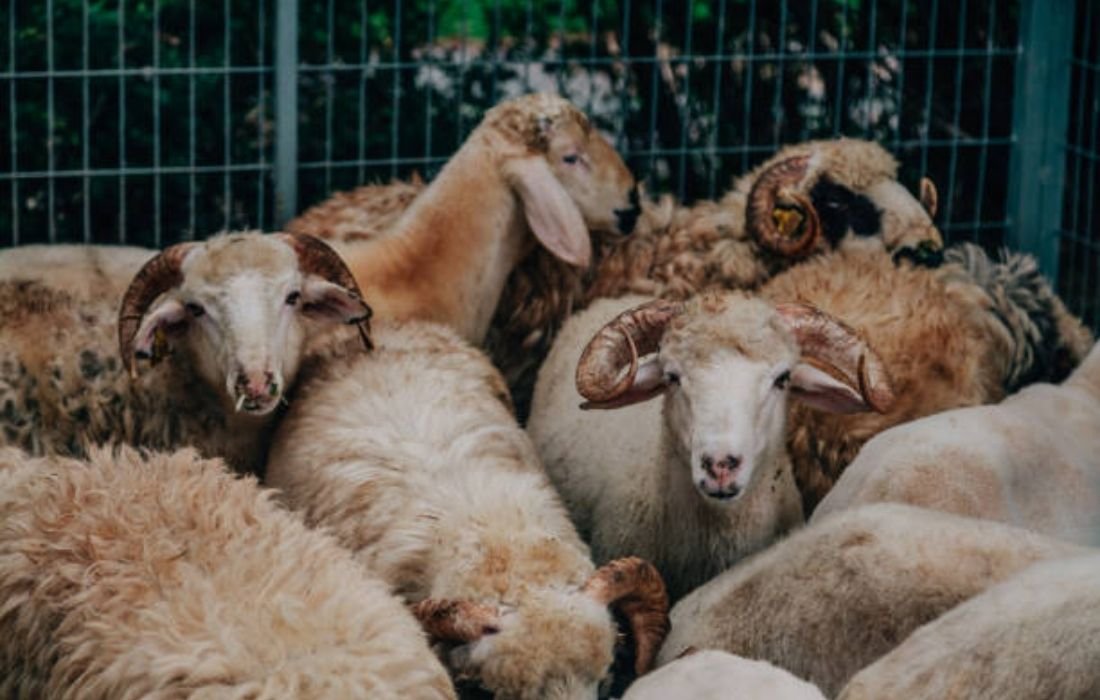
- Goat or sheep (one per person)
- Cow or buffalo (can be shared among 7 people)
- Camel (can also be shared among 7 people)
Conditions for Animals:
- Must be healthy and free from defects
- Must be of a certain minimum age
- Must not be blind, lame, or severely ill
These rules ensure that only the best and most suitable animals are offered as sacrifice, symbolizing respect and sincerity.
Time of Qurbani in Islam
Qurbani in Islam is performed after Eid prayer on 10th Dhul-Hijjah until 12th Dhul-Hijjah.
If the sacrifice is done before the Eid prayer, it is not considered valid Qurbani but only normal meat slaughter.
Method of Performing Qurbani
To fully understand what is Qurbani in Islam, one must also know its proper method. The process follows clear Islamic guidelines:
- The intention (Niyyah) is made for the sake of Allah
- The animal is laid down gently and treated with kindness
- The name of Allah is recited: Bismillahi Allahu Akbar
- The animal is slaughtered quickly and humanely with a sharp knife
- The blood is allowed to flow completely
These steps show that what is Qurbani in Islam includes mercy and respect for animals, ensuring they are not tortured or frightened unnecessarily.
Distribution of Qurbani Meat
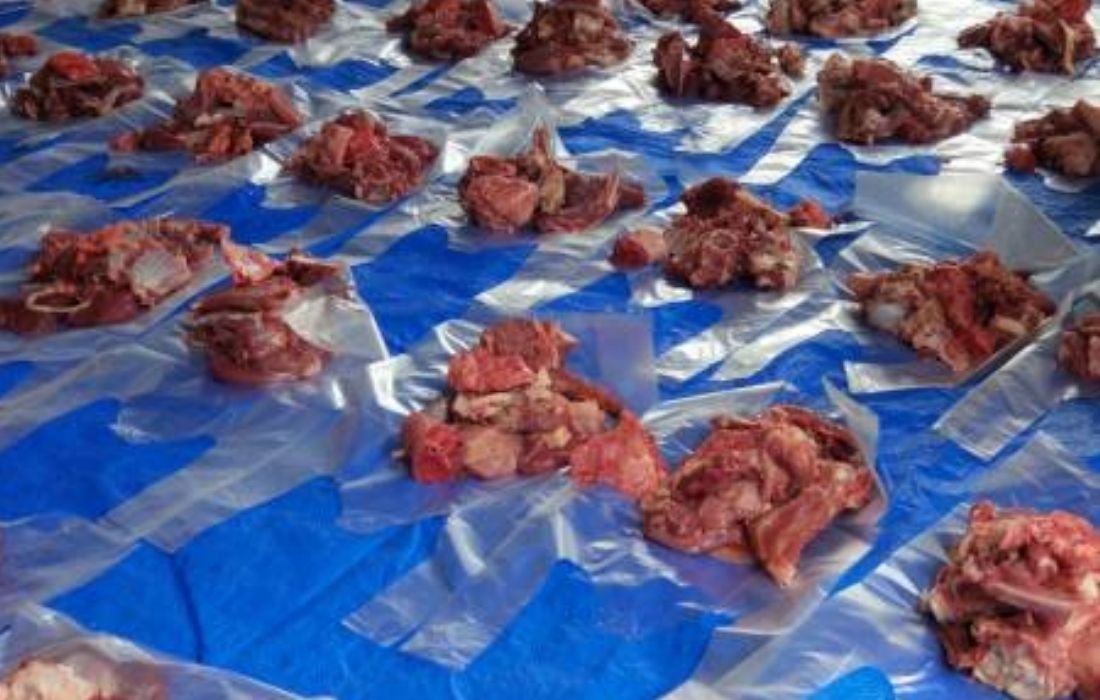
One of the most beautiful aspects of Qurbani is its distribution system. The meat is divided into three parts:
- One-third for the family
- One-third for relatives and friends
- One-third for the poor and needy
This system ensures social equality and helps distribute wealth among different sections of society. It also strengthens bonds between communities and encourages generosity.
Spiritual Lessons of Qurbani
Qurbani teaches many important moral and spiritual lessons:
1. Obedience to Allah
It teaches Muslims to obey Allah without hesitation, even when it is difficult.
2. Sacrifice and Selflessness
It reminds believers that life sometimes requires giving up something valuable for a higher purpose.
3. Equality and Compassion
By sharing meat with the poor, it promotes social justice and kindness.
4. Gratitude and Humility
It encourages Muslims to remain humble and thankful for Allah’s blessings.
Qurbani in the Modern World
In today’s world, Qurbani continues to play an important role. However, modern challenges such as urbanization, animal welfare concerns, and logistical issues have changed how Qurbani is performed.
Many Muslims now use Islamic charities or online services to perform Qurbani on their behalf. These organizations ensure that animals are sacrificed properly and meat is distributed to poor communities around the world, especially in underdeveloped countries.
This modern approach helps extend the benefits of Qurbani to people who are suffering from hunger and poverty.
Ethical Aspects of Qurbani
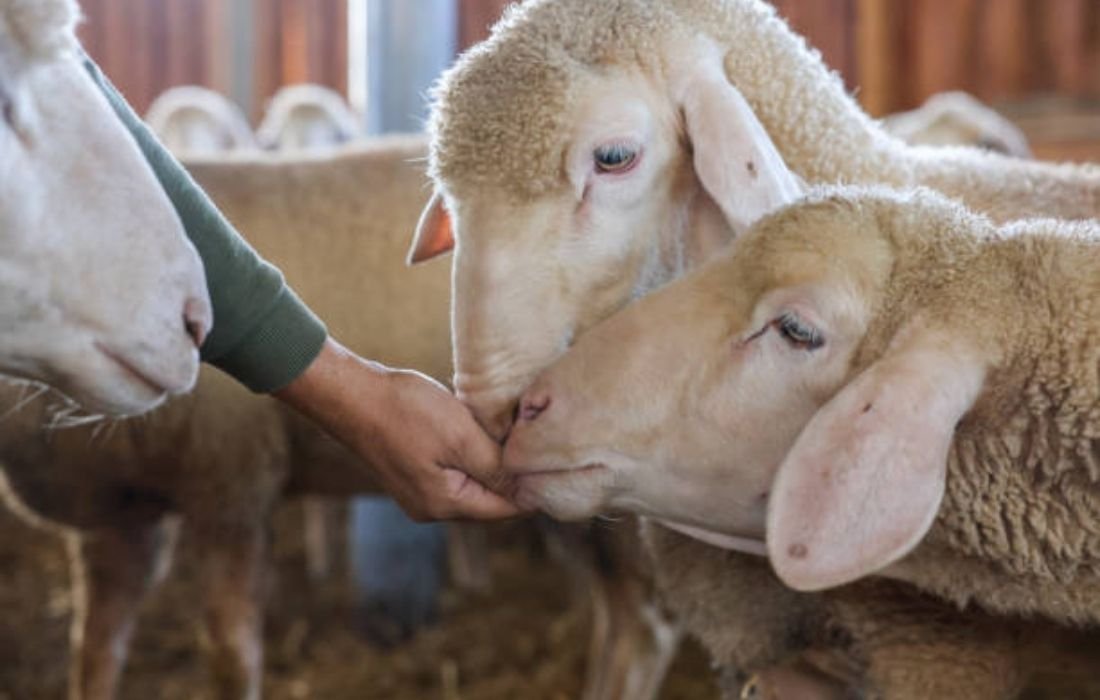
Islam places strong emphasis on kindness toward animals. During Qurbani:
- Animals must be treated gently
- They should not be slaughtered in front of other animals
- The knife must be sharp to minimize pain
- Stress and cruelty must be avoided
These principles show that Islam balances sacrifice with compassion.
Common Misunderstandings about Qurbani
Some people misunderstand Qurbani as merely an act of killing animals or a cultural ritual. However, to truly understand what is Qurbani in Islam, it is important to know that it is:
- A form of worship
- A remembrance of Prophet Ibrahim’s faith
- A means of helping the poor
- A spiritual purification act
In reality, what is Qurbani in Islam goes beyond meat; it is about intention, devotion, and complete submission to Allah.
Benefits of Qurbani for Society
Understanding what is Qurbani in Islam also highlights its social benefits. Qurbani helps reduce poverty and hunger by distributing meat among the needy. It encourages sharing and generosity, strengthens community relationships, and promotes economic activity in livestock markets. It also supports farmers and traders, creating a cycle of giving that benefits both individuals and society.
Conclusion
Qurbani is one of the most meaningful acts of worship in Islam. It symbolizes faith, obedience, sacrifice, and compassion. The story of Prophet Ibrahim and his willingness to sacrifice his son teaches Muslims the importance of trusting Allah completely.
During Eid al-Adha, Muslims around the world perform Qurbani not only to remember this historic event but also to practice generosity and care for the less fortunate. It is a reminder that true devotion to Allah is shown through actions, sincerity, and sacrifice.
In essence, Qurbani is not just about sacrificing an animal; it is about sacrificing ego, selfishness, and attachment to worldly desires. It brings Muslims closer to Allah and strengthens the values of unity, charity, and gratitude in society.
FAQs
FAQs – What is Qurbani in Islam
1. What is the purpose of Qurbani in Islam?
The purpose of Qurbani is to obey Allah’s command, remember Prophet Ibrahim’s sacrifice, and help the poor by sharing meat.
2. Do I have to do Qurbani for my wife?
No, Qurbani is not compulsory for your wife unless she independently meets the financial conditions (Nisab).
3. Why can Muslims have cats but not dogs?
Cats are considered clean and allowed in homes, while dogs are kept mainly for guarding or hunting and have specific rules in Islam.
4. Do Muslims go to bed early?
Many Muslims prefer sleeping early to wake up for Fajr prayer, but sleeping time is a personal habit, not a strict rule.
5. Do Muslims wipe with toilet rolls?
Yes, Muslims can use toilet paper or water for cleanliness; Islam emphasizes hygiene in personal cleaning practices.