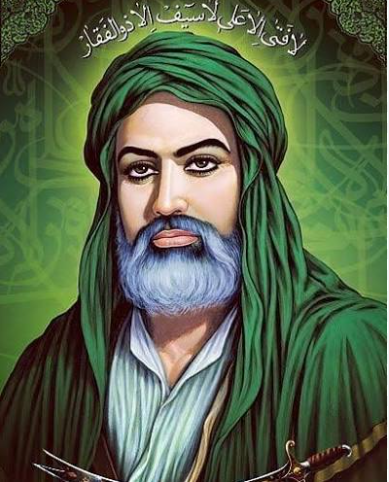
Ali ibn Abi Talib: Life, Legacy & Caliphate
Ali ibn Abi Talib: The Life, Legacy, and Contributions of the Fourth Rightly Guided Caliph
Ali ibn Abi Talib (RA) is one of the most respected and influential figures in Islamic history. He was the cousin and son-in-law of Prophet Muhammad (peace be upon him), the husband of Fatimah (RA), and the father of Hasan (RA) and Husayn (RA). He was among the earliest people to accept Islam and played a vital role in spreading and defending the faith.
Thank you for reading this post, don't forget to subscribe!Known for his courage, wisdom, justice, humility, and devotion to Allah, Ali ibn Abi Talib (RA) dedicated his entire life to serving Islam. His leadership, knowledge, and moral character continue to inspire millions of Muslims around the world. His legacy remains a powerful example of faith, integrity, and compassion.
Early Life
Ali ibn Abi Talib (RA) was born in Mecca around 600 CE into the respected Banu Hashim clan of the Quraysh tribe. His father, Abu Talib, was the uncle and protector of Prophet Muhammad (PBUH), while his mother was Fatimah bint Asad.
Due to financial difficulties faced by his father, Ali (RA) was raised in the household of Prophet Muhammad (PBUH). Growing up under the Prophet’s care allowed him to develop exceptional moral values, honesty, compassion, and deep faith from an early age.
Even before Islam, Ali (RA) was known for his noble character and sincerity.
Acceptance of Islam
When Prophet Muhammad (PBUH) received the first revelation and began inviting people to Islam, Ali ibn Abi Talib (RA) was among the first to believe in his message. Although still very young, he accepted Islam without hesitation.
His early acceptance demonstrated remarkable courage because Muslims faced severe persecution in Mecca. Ali (RA) remained steadfast despite the challenges and never abandoned his faith.
Throughout the Prophet’s mission, Ali (RA) supported him wholeheartedly, standing beside him during both peaceful and difficult times.
Sacrifice During the Migration to Madinah
One of the most remarkable events in Ali’s life occurred during the Hijrah (migration) from Mecca to Madinah.
When the leaders of Quraysh planned to assassinate Prophet Muhammad (PBUH), Ali (RA) volunteered to sleep in the Prophet’s bed, fully aware of the danger involved. His act of courage allowed the Prophet (PBUH) to leave safely.
Afterward, Ali (RA) returned the valuables and trusts that people had left with the Prophet before traveling to Madinah himself. This incident reflects his bravery, honesty, and complete trust in Allah.
Marriage to Fatimah (RA)
Ali ibn Abi Talib (RA) married Fatimah al-Zahra (RA), the beloved daughter of Prophet Muhammad (PBUH). Their marriage is regarded as one of the most blessed and exemplary unions in Islamic history.
Their home was built upon simplicity, love, faith, and mutual respect. Despite limited material wealth, they lived a life filled with contentment and devotion to Allah.
They were blessed with children including Hasan (RA), Husayn (RA), Zaynab (RA), and Umm Kulthum (RA), all of whom hold an honored place in Islamic history.
Courage in the Battles of Islam
Ali ibn Abi Talib (RA) displayed extraordinary bravery in many important battles fought during the Prophet’s lifetime.
Battle of Badr
The Battle of Badr was the first major battle between Muslims and the Quraysh. Ali (RA) fought with exceptional courage and defeated several experienced warriors. His contribution played an important role in the Muslim victory.
Battle of Uhud
During the Battle of Uhud, when many Muslims were scattered after a surprise attack, Ali (RA) remained close to Prophet Muhammad (PBUH), defending him with unmatched bravery.
Battle of the Trench
During the Battle of the Trench (Khandaq), the famous warrior Amr ibn Abd Wudd crossed the trench and challenged the Muslims to single combat. Ali (RA) accepted the challenge and defeated him in a historic duel, greatly strengthening the morale of the Muslim community.
Battle of Khaybar
The Battle of Khaybar is among the most celebrated examples of Ali’s courage. Before the battle, Prophet Muhammad (PBUH) announced that he would give the banner to someone who loved Allah and His Messenger and was loved by Allah and His Messenger.
The next day, the Prophet entrusted the banner to Ali (RA), and under his leadership, the Muslims achieved victory by the permission of Allah.
Knowledge and Wisdom
Ali ibn Abi Talib (RA) was widely recognized for his deep knowledge of the Qur’an, Islamic law, ethics, and governance.
Many companions sought his advice on religious and legal matters. His speeches, letters, and wise sayings continue to be studied by scholars and students.
He believed that knowledge was one of the greatest treasures a person could possess. He encouraged Muslims to seek education, think carefully before making decisions, and uphold justice in every aspect of life.
His wisdom continues to inspire people interested in leadership, ethics, and personal development.
Leadership and Caliphate
After the martyrdom of Uthman ibn Affan (RA), Ali ibn Abi Talib (RA) became the fourth Rightly Guided Caliph.
His caliphate began during a difficult period marked by political disagreements and internal conflicts within the Muslim community. Despite these challenges, Ali (RA) remained committed to justice, equality, and adherence to Islamic principles.
He worked to strengthen public administration, ensure fair distribution of wealth, and uphold the rights of all citizens.
His leadership emphasized accountability, honesty, and service to the people rather than personal gain.
Justice and Fairness
Justice was one of Ali’s defining characteristics.
He treated everyone equally regardless of wealth, social status, or tribal background. He believed that rulers should be accountable before Allah and should never misuse public resources.
Ali (RA) ensured that the state treasury was distributed fairly and that every individual received equal treatment under the law.
His commitment to justice remains an enduring example for leaders around the world.
Simplicity and Humility
Although he was the ruler of a vast Islamic state, Ali (RA) lived an extremely simple life.
His clothing was modest, his food was simple, and he avoided luxury. He believed that leaders should live close to the people they served rather than seeking comfort and privilege.
His humility earned him the love and respect of both friends and opponents.
Generosity and Compassion
Ali ibn Abi Talib (RA) was known for his generosity and kindness toward the poor, orphans, widows, and those in need.
He frequently helped struggling families without expecting praise or recognition. Historical accounts describe him providing food and assistance quietly so that the dignity of those receiving help would be preserved.
His compassion reflected the Islamic values of mercy, charity, and social responsibility.
Worship and Spiritual Life
Ali (RA) was deeply devoted to worship. He regularly performed voluntary prayers, recited the Qur’an, remembered Allah through dhikr, and sought forgiveness.
His spirituality influenced every aspect of his life, including his leadership, decision-making, and interactions with others.
He taught that true strength comes through sincerity, patience, reliance on Allah, and consistent worship.
Famous Sayings
Many wise sayings are attributed to Ali ibn Abi Talib (RA), emphasizing knowledge, justice, patience, and good character. Among the well-known sayings attributed to him are:
- Knowledge is better than wealth because knowledge protects you, while you must protect wealth.
- Patience is the key to success.
- A person’s true value is reflected in their character.
- Speak the truth even when it is difficult.
- The best wealth is contentment.
These sayings continue to inspire people seeking wisdom and ethical guidance.
Martyrdom
In 661 CE (40 AH), while leading the Fajr prayer in the Mosque of Kufa, Ali ibn Abi Talib (RA) was attacked by Ibn Muljam, a member of the Kharijite movement. He was seriously wounded and passed away a few days later.
His martyrdom marked one of the most sorrowful moments in Islamic history. Muslims around the world remember him with great respect for his lifelong dedication to Islam and his unwavering commitment to justice.
Lessons from the Life of Ali ibn Abi Talib
The life of Ali (RA) offers timeless lessons for people of all generations.
His example teaches us to:
- Always stand for truth and justice.
- Seek knowledge throughout life.
- Show kindness to everyone.
- Be patient during hardships.
- Live with honesty and integrity.
- Help the poor and vulnerable.
- Lead with humility and fairness.
- Put faith in Allah in every situation.
- Value good character above worldly success.
- Treat others with respect and compassion.
These lessons remain relevant for individuals, families, educators, and leaders today.
Legacy
Ali ibn Abi Talib (RA) occupies a unique and honored place in Islamic history. Muslims across different traditions hold him in high esteem, though they may differ in some historical and theological interpretations. There is broad agreement on his remarkable courage, deep knowledge, devotion to worship, close relationship with Prophet Muhammad (PBUH), and commitment to justice.
His life continues to inspire scholars, leaders, students, and believers around the world. His contributions to Islamic civilization, leadership, ethics, and scholarship remain influential centuries after his passing.
Conclusion
Ali ibn Abi Talib (RA) was a remarkable companion of Prophet Muhammad (PBUH), the fourth Rightly Guided Caliph, an outstanding scholar, a courageous warrior, and a just leader. His life reflected unwavering faith, humility, wisdom, and dedication to serving Allah and humanity.
His legacy reminds us that true greatness is achieved not through power or wealth but through righteousness, knowledge, justice, compassion, and sincere service to others. By studying and following his example, people can learn valuable lessons about leadership, moral character, perseverance, and devotion that remain meaningful in every age.