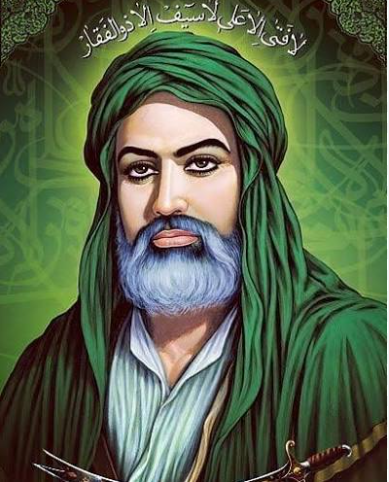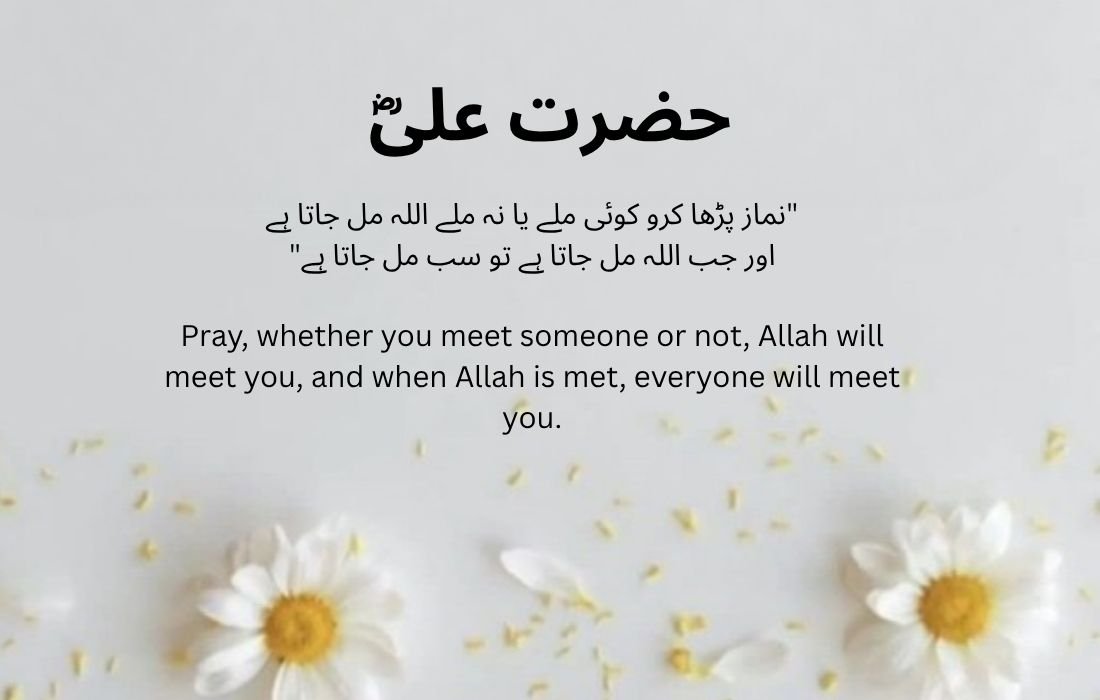
Imam Ali Quotes on Love: Wisdom & Compassion
Imam Ali Quotes on Love: Timeless Wisdom on Compassion, Faith, and Human Dignity
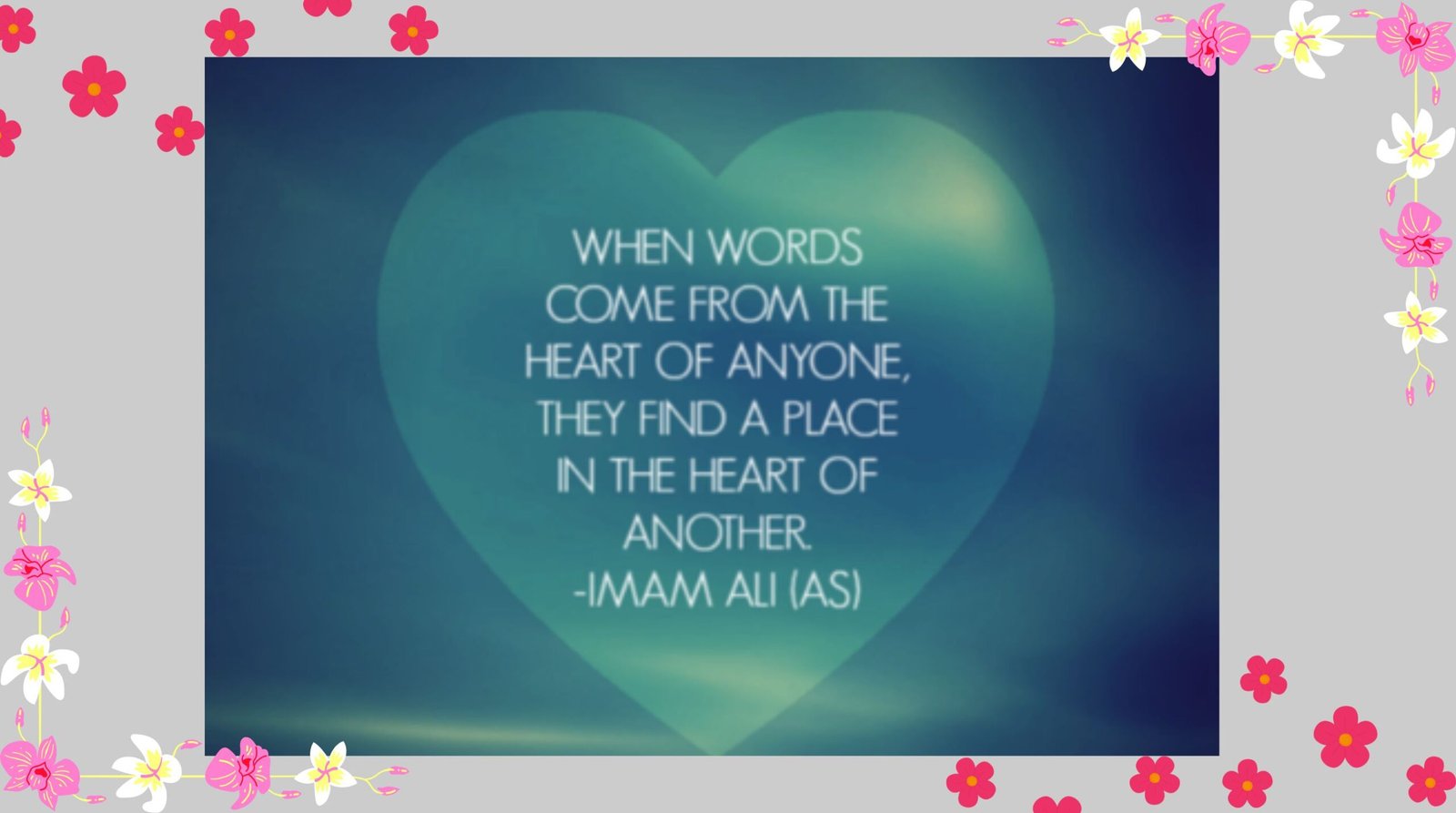
Few figures in Islamic history have articulated love with the moral precision of Imam Ali ibn Abi Talib (RA). These Imam Ali Quotes on Love continue to inspire Muslims and non-Muslims alike with timeless lessons on compassion, justice, and faith If you are searching for Imam Ali quotes on love, you are not simply looking for lines to share on social media. You are looking for a framework that connects love to justice, character, faith, and service to humanity. This article delivers exactly that, drawing on verified historical sources, authenticated sayings, and concrete ways to apply his wisdom in your life today.
What Imam Ali Taught About Love and Why It Still Matters
Imam Ali (RA) was the cousin and son-in-law of Prophet Muhammad (peace be upon him), the fourth Caliph of Islam, and one of the most prolific sources of wisdom in the Islamic tradition. Scholars across both Sunni and Shia traditions recognise the extraordinary depth of his recorded sayings, many of which are preserved in “Nahj al-Balagha” (Peak of Eloquence), compiled by Sharif al-Radi in the 10th century CE.
His teachings on love are not sentimental. They are structural. He understood love as an active discipline rather than a passive feeling, and that single distinction is what makes his words as relevant today as they were fourteen centuries ago.
Here is the core insight running through his entire philosophy: love without action is decoration. Love expressed through justice, mercy, honesty, and service is transformation. That is not a motivational slogan. It is a complete ethical system.
The Four Dimensions Behind Imam Ali Quotes on Love
Imam Ali’s wisdom addresses love across multiple layers of human experience. Understanding these categories allows you to apply his teachings with far greater precision than simply reading a quote and moving on.
Love for Allah as the Foundation of All Other Love
In Islamic theology, every other form of love gains its meaning and moral direction from love for Allah. Imam Ali returned to this principle consistently throughout his sermons and letters. A heart anchored in love for Allah, he taught, remains stable through hardship, resists the pull of injustice, and extends genuine rather than performative care to others.
In practice, this means love for Allah is never separate from your daily relationships. It actively shapes how you speak to your spouse on a difficult morning, how you respond when a colleague treats you unfairly, and how you treat a stranger who can offer you nothing in return.
Love for Family Expressed Through Respect and Patience

Imam Ali’s marriage to Fatimah al-Zahra (RA) is one of the most frequently studied examples of a partnership built on shared faith rather than material comfort. Historical accounts describe their household as one of deep simplicity, mutual responsibility, and consistent respect. They divided domestic duties equitably between them, a detail Islamic scholars highlight repeatedly as a practical model for Muslim households even now.
Strong families, in his view, rest on these six foundations:
- Mutual respect between partners as the daily baseline
- Honest and consistent communication, especially during difficulty
- Patience during disagreement rather than escalation
- Forgiveness practiced regularly, not reserved for rare occasions
- Shared commitment to faith and good character as a common direction
- Genuine mercy toward each other’s weaknesses and limitations
None of these are abstract ideals. Each one is a daily choice that either builds or quietly erodes the relationship.
Love for Humanity as a Moral Obligation
One of the most powerful recurring themes in Imam Ali quotes on love is the extension of compassion far beyond personal relationships. He did not limit care to family, tribe, or even religious community. His governance as Caliph is documented in extraordinary detail in his famous letter to Malik al-Ashtar, his appointed governor of Egypt, in which he instructed Malik to view all people as either brothers in faith or equals in humanity.
That single instruction carries enormous practical weight. Your obligation to treat people with dignity does not depend on whether they share your beliefs, your background, your culture, or your social standing. It depends on the fact that they are human.
Love Expressed Through Justice in Leadership
What separates Imam Ali’s philosophy from simple idealism is that he acted on these principles while governing an empire. His caliphate from 656 to 661 CE was defined by an almost inflexible commitment to economic fairness and equal distribution from the public treasury. He refused to grant family members preferential access to state resources even under significant political pressure.
He walked through the markets of Kufa himself to monitor prices and protect ordinary customers from exploitation. He freed enslaved people, settled personal debts for those who could not pay them, and worked manually in gardens so he would not depend on public funds for his own needs. This is what love expressed through justice looks like at scale. It is not a feeling. It is a sustained, costly commitment to the dignity of every person in your sphere of influence.
Many Imam Ali Quotes on Love focus not on romance alone but on mercy, justice, patience, and service to humanity, making them relevant in every stage of life.
Widely Cited Imam Ali Quotes on Love and Compassion
Many sayings attributed to Imam Ali circulate across social media, blogs, and inspirational platforms. A responsible approach requires you to distinguish between sayings verified through reliable classical sources and those that carry traditional attribution without a confirmed chain of transmission.
That said, several widely shared quotes reflect themes that align precisely with his documented teachings. These include:
- “Do not use the sharpness of your speech on the mother who taught you to talk.”
- “The strongest among you is the one who controls his anger.”
- “Kindness is the language the heart understands.”
- “Your character is your greatest beauty.”
- “Do not feel lonely on the road of goodness because few walk on it.”
- “He who has a thousand friends has not a friend to spare, and he who has one enemy will meet him everywhere.”
These Imam Ali Quotes on Love remind readers that genuine love is measured through actions rather than emotions alone.
The mistake most people make is treating all attributed quotes as equally verified. When you share a quote from Imam Ali, cross-referencing it with “Nahj al-Balagha” or established hadith collections adds real credibility and honours the importance Islam places on accurate transmission of knowledge.
A Note on Authenticity That Most Articles Skip
Before sharing Imam Ali Quotes on Love online, it is worth checking whether the wording comes from reliable historical sources or is simply attributed to him.
Islamic scholarship takes attribution with the utmost seriousness. Attributing a statement falsely to a respected figure, even with genuinely good intentions, carries a moral weight that practicing Muslims recognise clearly. The safest and most respectful approach is to label unverified sayings as “attributed to Imam Ali” rather than presenting them as confirmed quotations. Al-Islam.org provides searchable, peer-reviewed access to authenticated texts from “Nahj al-Balagha” and related classical sources, making verification straightforward.
How to Apply Imam Ali Quotes on Love in Daily Life
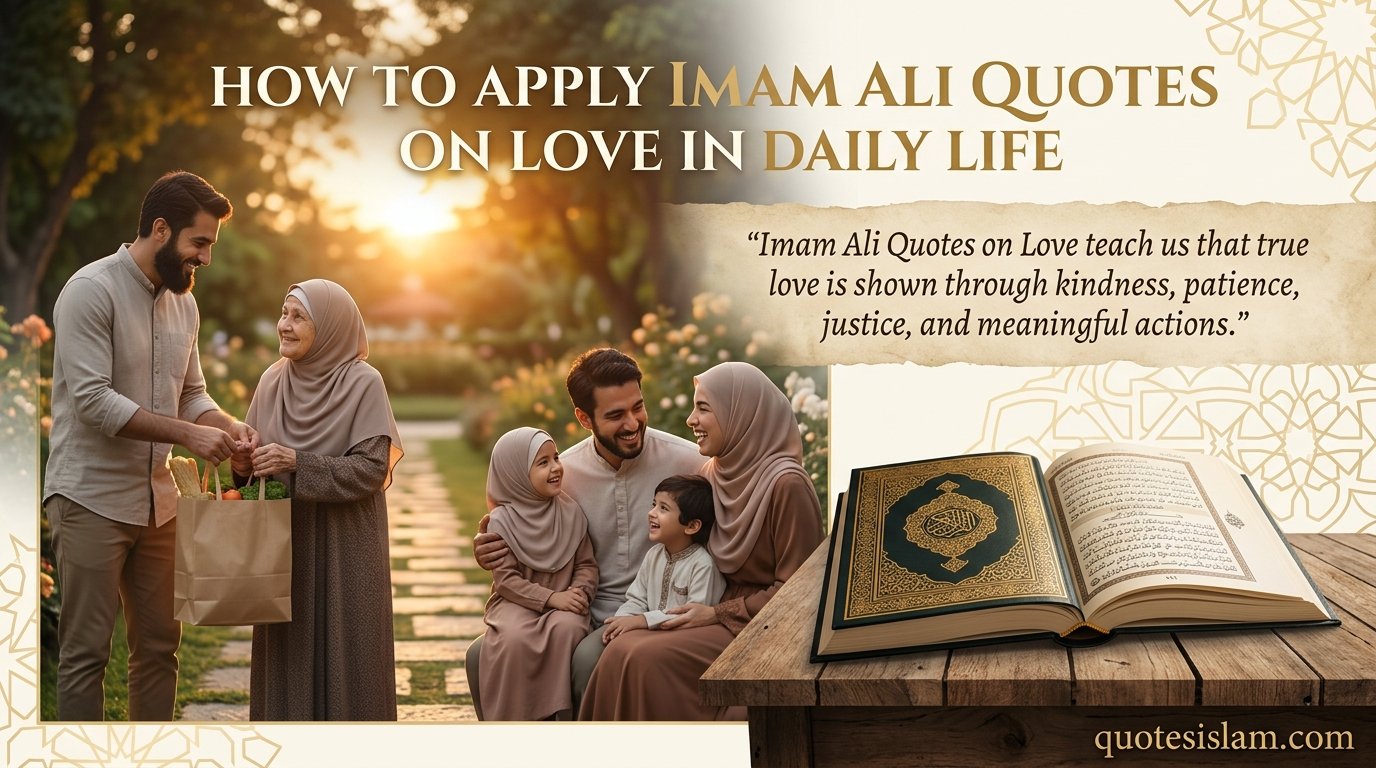
His teachings remain applicable today because the human struggles he addressed have never changed. Ego still damages relationships. Impatience still fractures families. Injustice still corrupts communities. Here is how his core principles translate into concrete daily practice across three areas of your life.
In Your Personal Relationships
Speak with deliberate care. Imam Ali warned repeatedly about the destruction caused by harsh or careless speech. Before responding in anger, pause long enough to ask whether your words will build or break the person in front of you.
Forgive as a regular discipline, not a rare event. Forgiveness in his teachings is not weakness or resignation. It is a form of active strength that prevents damage from accumulating until a relationship collapses under the weight of it.
Show love through unglamorous service. Cooking a meal, checking on a grieving friend, helping someone carry a load without waiting to be asked. These are the expressions of love that Imam Ali’s own life modeled far more than his words alone.
In Your Community
Stand for fairness even when it costs you something personally. Imam Ali taught that genuine love for your community means protecting its most vulnerable members, not simply celebrating or associating with its most powerful ones.
Treat strangers with the same dignity you show your closest friends. This is not a romantic ideal designed to sound good. It is a concrete practice you can test every single day in how you interact with service workers, neighbours you barely know, and people who can offer you nothing in return.
Give consistently without calculating the return. His documented generosity extended to people he had never met and would never meet again, because the act of giving was rooted in love for Allah rather than social reciprocity.
In Your Spiritual Life
Connecting love to your relationship with Allah reframes every other relationship you have. When you love for Allah’s sake, your love becomes structurally more stable, because it does not depend entirely on the other person’s behaviour toward you. It depends on your own commitment to integrity. That is an enormously practical insight, not a spiritual abstraction.
The enduring appeal of Imam Ali Quotes on Love lies in their ability to connect faith with everyday character, encouraging kindness, patience, and justice in every interaction.
Key Takeaways
- Imam Ali quotes on love consistently describe love as an active discipline rooted in justice, mercy, honest speech, and service, not simply an emotion you feel or express occasionally.
- His marriage to Fatimah (RA) and his governance as Caliph both demonstrate that love must be expressed through consistent action, including equitable treatment and regular personal sacrifice for others.
- The most reliable source for verified Imam Ali quotations is “Nahj al-Balagha,” compiled by Sharif al-Radi in the 10th century. Always cross-reference widely shared quotes before presenting them as authenticated.
- Imam Ali extended the concept of love beyond personal relationships to all of humanity, describing people as either brothers in faith or equals in humanity regardless of background or belief.
- Applying his wisdom today means speaking carefully, forgiving consistently, giving generously, standing for fairness under pressure, and treating every person with dignity regardless of their status.
Conclusion
The lasting value of Imam Ali Quotes on Love is not simply their beauty but their practicality. They teach that love is demonstrated through honesty, compassion, justice, forgiveness, and service to others. Whether strengthening family relationships, improving communities, or deepening one’s faith, Imam Ali’s wisdom continues to offer timeless guidance for living with dignity and purpose.
Frequently Asked Questions
What is the most famous Imam Ali quote on love?
One of the most widely recognised Imam Ali quotes on love is “Do not feel lonely on the road of goodness because few walk on it,” which reflects his conviction that love for what is right requires both courage and consistency. Another frequently cited saying is “Kindness is the language the heart understands.” Both themes appear throughout his authenticated teachings in “Nahj al-Balagha,” making them among the most cited across Islamic scholarship.
Where can I find verified Imam Ali quotes on love?
The most authoritative and accessible source is “Nahj al-Balagha” (Peak of Eloquence), compiled by Sharif al-Radi in the 10th century and available in translation through Al-Islam.org, which offers a searchable digital version with scholarly commentary. For academic cross-referencing, university-level Islamic studies resources and peer-reviewed hadith databases provide additional context on the authentication status of specific sayings.
How do Imam Ali’s teachings on love differ from modern ideas about love?
Modern popular culture tends to frame love primarily as a feeling, an emotional state that either exists or does not. Imam Ali’s teachings treat love as a structured practice rooted in justice, mercy, honest speech, and consistent service to others. The practical difference is significant: his model gives you something to do when the feeling is absent, whereas purely emotion-based models leave you with nothing to act on during difficult periods in any relationship.